
3 Days Nyikani Camp Flying Safari
Duration
3 Days / 2 Nights
Ideal time to visit
Year-round
Price
From US$1,979 per person
3 Days Nyikani Camp Flying Safari
- Tanzania
- From US$1,979 per person
Discover Kenya’s most remarkable safari destinations, from the wildlife-rich plains of the Maasai Mara to Amboseli’s iconic views of Mount Kilimanjaro. Experience unforgettable game drives, diverse landscapes and authentic cultural encounters across the country.
Trip Overview
The 3 Days Nyikani Camp Flying Safari offers a convenient way to experience Tanzania’s Serengeti within a short period. Travel by scheduled light aircraft from Kilimanjaro International Airport to Serengeti National Park, avoiding long road transfers and allowing more time for wildlife viewing.
- Scheduled return flights between Kilimanjaro and the Serengeti
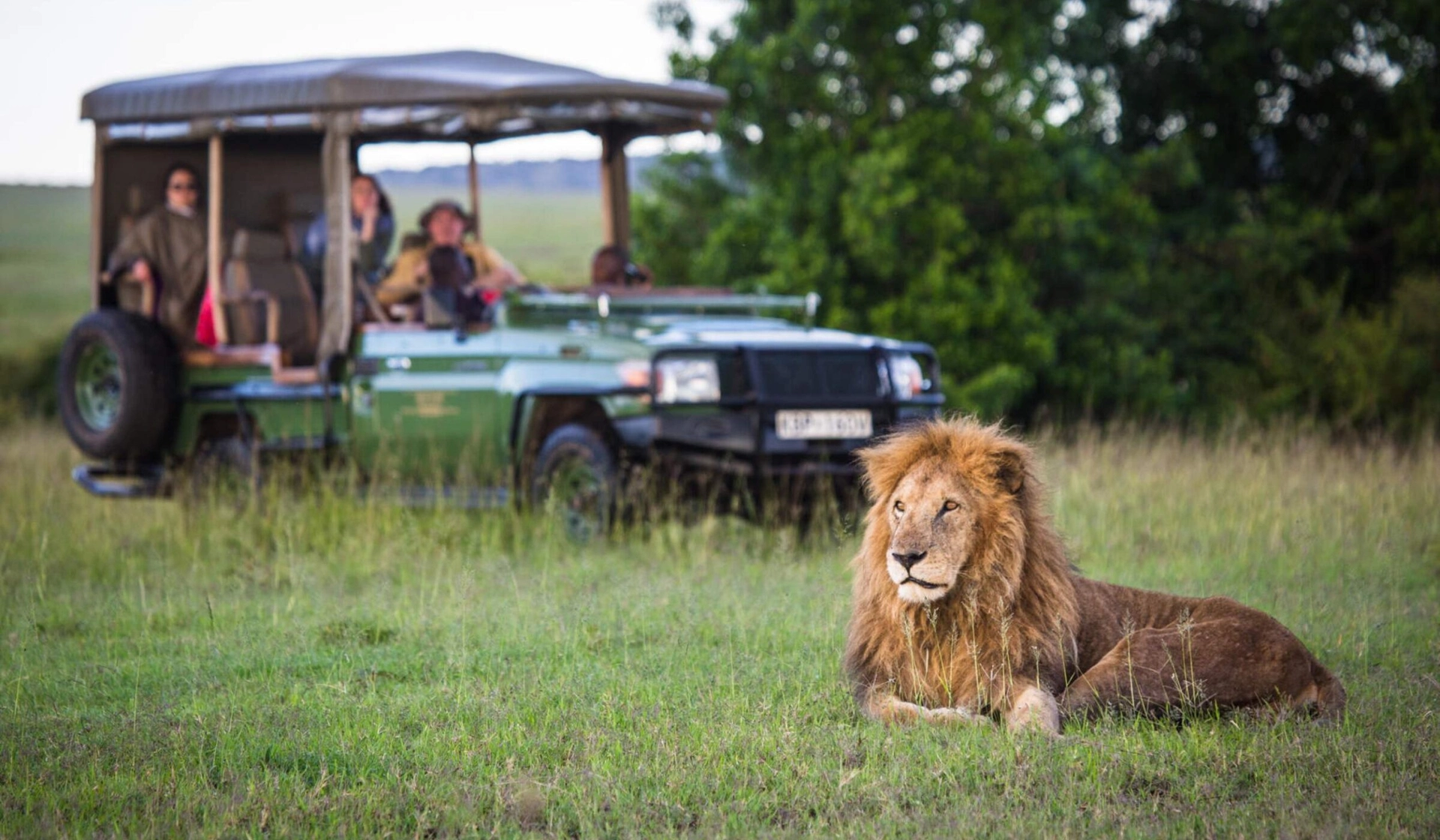
- Shared wildlife-viewing drives in a 4×4 safari vehicle
- Explore the wildlife-rich Serengeti ecosystem
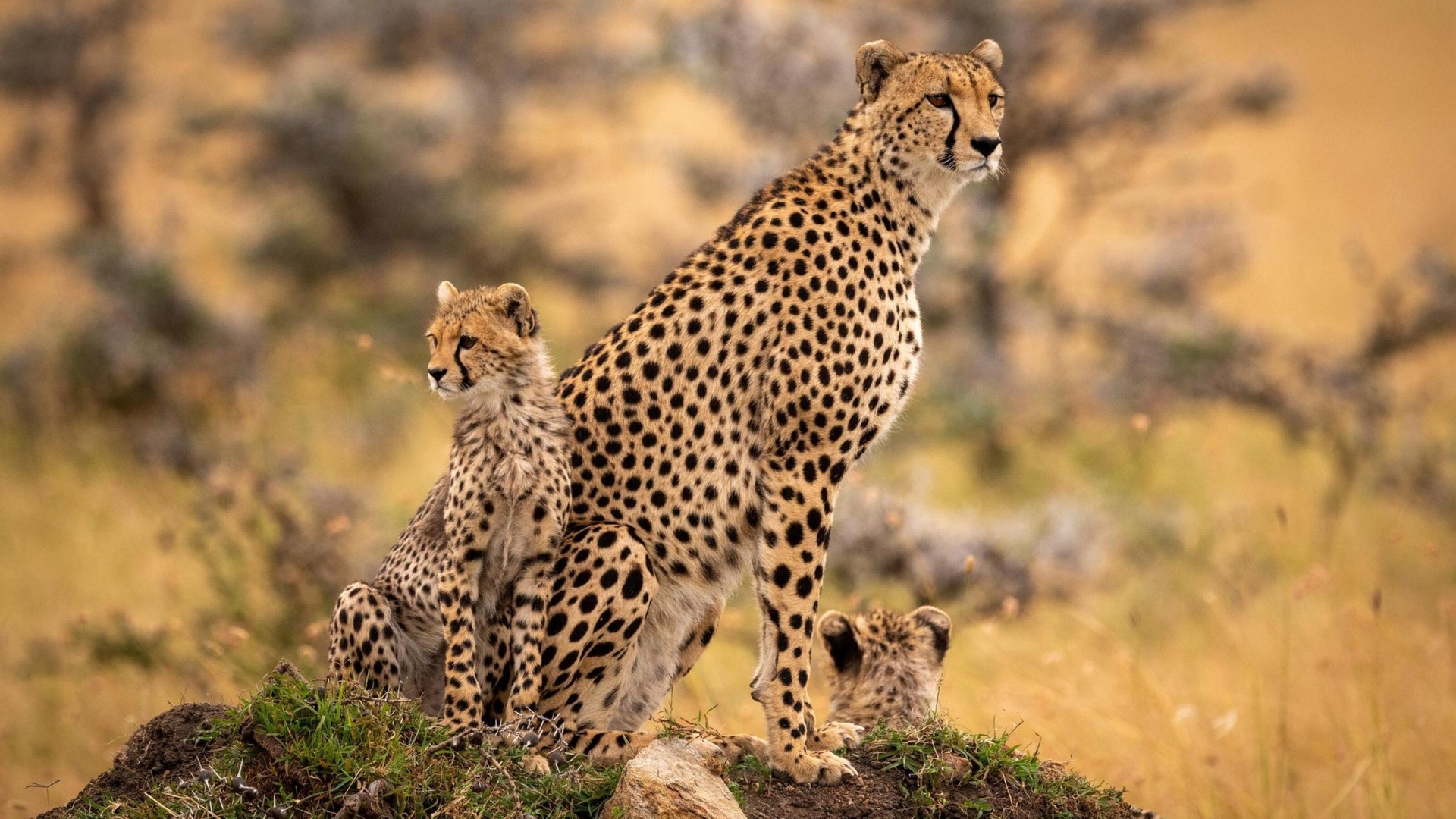
- Search for lions, elephants, giraffes, buffaloes and cheetahs
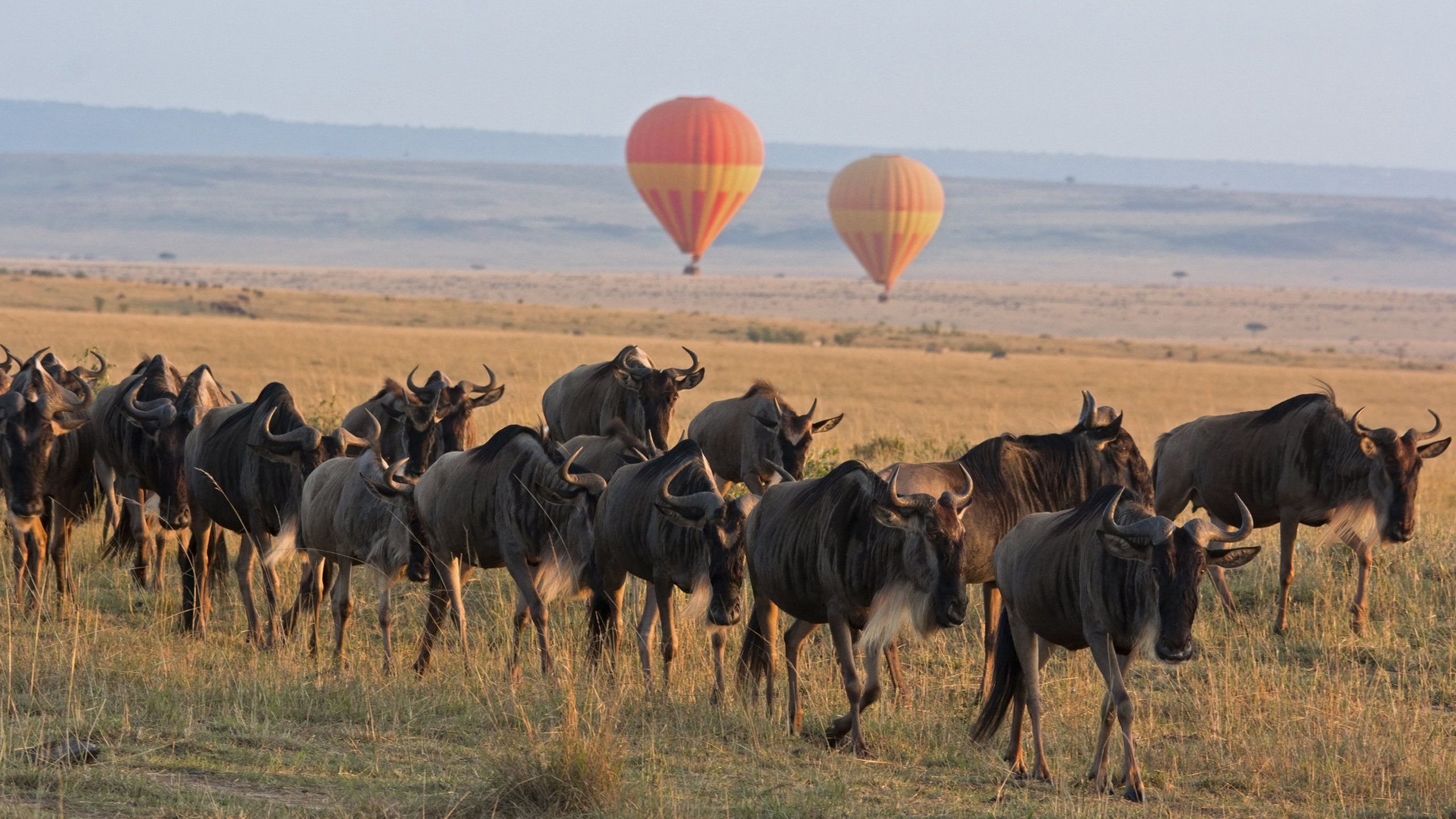
- Opportunity to see the Great Migration when the herds are nearby
- Full-board accommodation in the Serengeti
- Selected local beverages during the camp stay
- Trip highlights
- |
- Safari Itinerary
- |
- Best time to Travel
- |
- Reviews
Day 1
Fly from Kilimanjaro to the Serengeti
Upon arrival at Kilimanjaro International Airport, complete immigration and customs procedures before connecting with your scheduled flight to Serengeti National Park. Enjoy aerial views of northern Tanzania as you travel towards one of Africa’s most famous wildlife regions.
Meet your safari guide at the airstrip and transfer to Nyikani Central Serengeti or Nyikani Migration Camp. After settling into your tent, enjoy lunch and an afternoon game drive in search of the Serengeti’s abundant wildlife before returning to camp for dinner.
Where you could stay
- Nairobi, Kenya
Fairmont The Norfolk
All our trips are tailored to your personal preferences and interests.
Day 2
Full-Day Serengeti Safari
Spend the day exploring Serengeti National Park on shared morning and afternoon game drives. Your guide will select the most rewarding areas based on recent wildlife movements, seasonal conditions and the location of your camp.
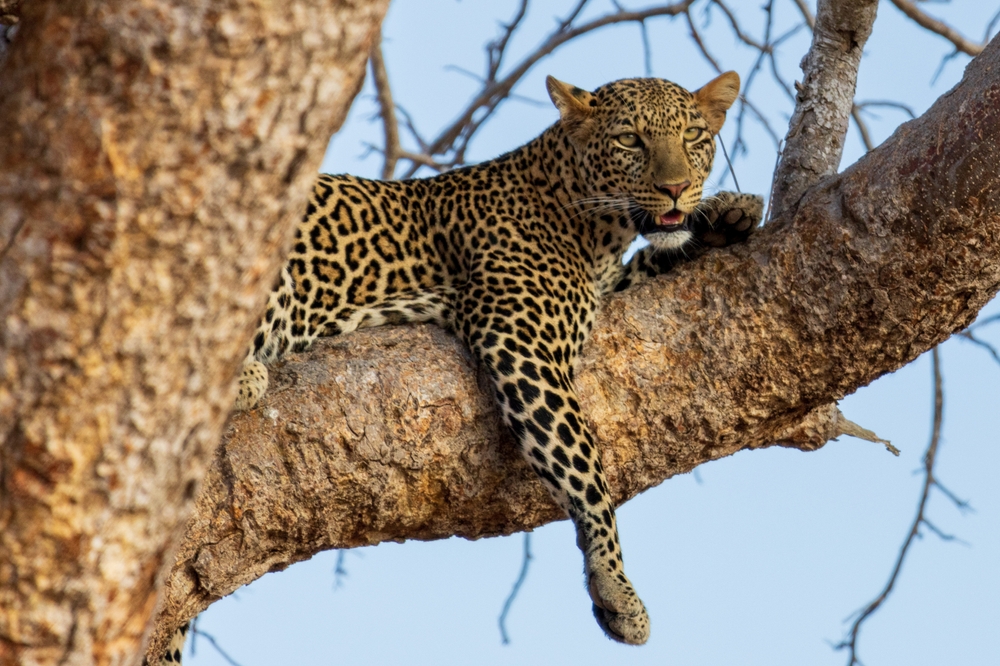
Search the plains for lions, elephants, buffaloes, giraffes, cheetahs, leopards and large grazing herds. During the appropriate season, you may also encounter wildebeest and zebra following the Great Migration route, although specific sightings cannot be guaranteed.
Where you could stay
- Nairobi, Kenya
Kibo Safari Camp
All our trips are tailored to your personal preferences and interests.
Days 3
Fly to Kilimanjaro and Depart
Enjoy breakfast at camp before checking out and transferring to the local airstrip. Depending on the confirmed flight schedule, there may be time to enjoy the surrounding scenery or wildlife during the transfer.
Board your scheduled flight to Kilimanjaro International Airport, where the 3 Days Nyikani Camp Flying Safari concludes. Continue with your international flight, another Tanzania safari or a beach holiday in Zanzibar.
Where you could stay
- Nairobi, Kenya
Kibo Safari Camp
All our trips are tailored to your personal preferences and interests.
Best time to Travel
Regular
Jan
Regular
Feb
Regular
Mar
Green
Apr
Regular
May
Regular
Jun
Regular
Jul
Regular
Aug
Regular
Sep
Green
Oct
Green
Nov
Regular
Dec
- Regular
The “regular” or “dry” safari season in East Africa generally offers optimal game viewing due to reduced rainfall and vegetation, making it easier to spot wildlife. These months offer a balance between lower prices, fewer tourists, and decent game viewing.
- Peak
Animals are concentrated around water, vegetation is low and sparse, and predators are circling. But at this time of year, the famous wildebeest migration is in Tanzania’s Serengeti, moving southwards following the end of year rains. Witness the Serengeti dramatic birthing season: it’s one of the best times to watch predator/prey interaction.
- Green
It’s green because it’s wet. This is the time of the ‘Long Rains’ and some of the more remote and wild reserves in East Africa are worth avoiding; accommodations may be closed anyway. Gorilla trekking becomes more difficult, and in Kenya and Tanzania’s reserves, wildlife tends to disperse across wider areas, making animals more difficult to see.